
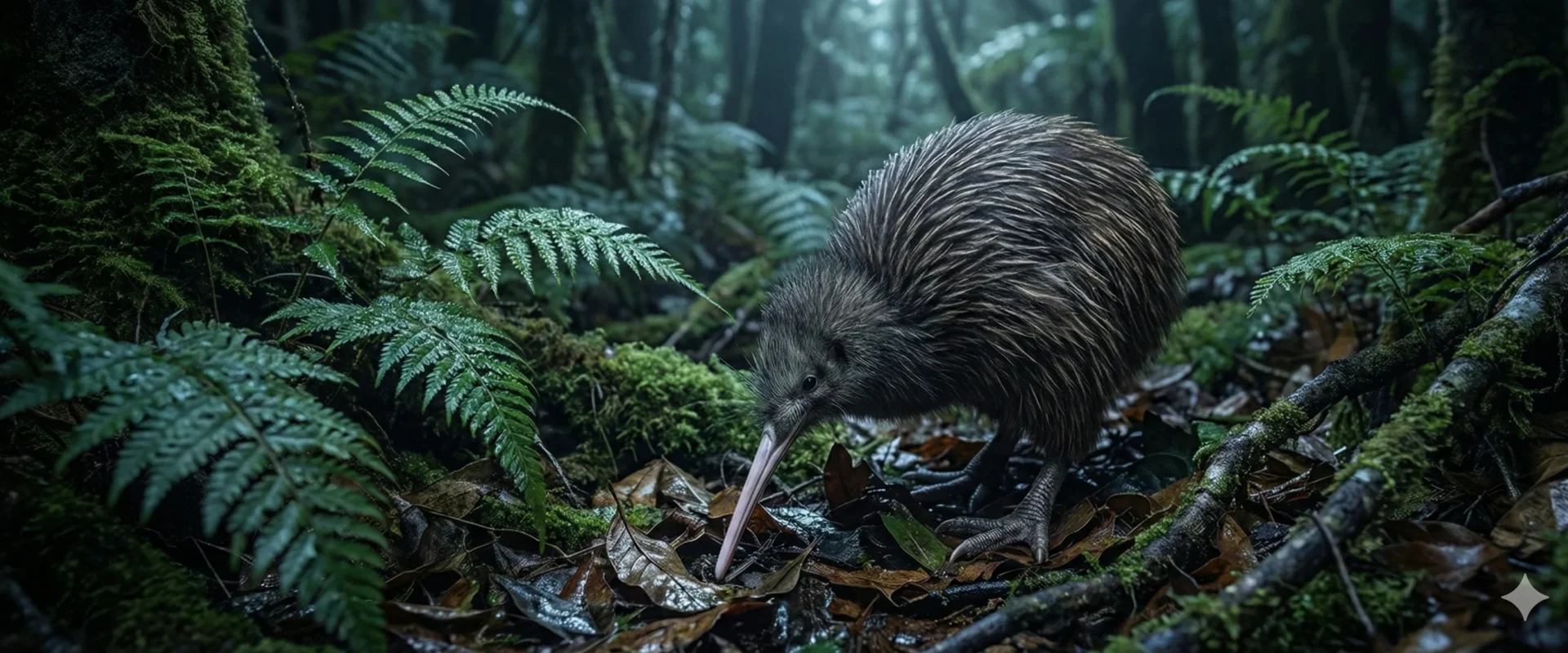

- New Zealand is home to some of the world’s most unique and adorable native animals, including the iconic Kiwi and playful Kea.
- You can spot cute wildlife like the rare Kakapo and the charming New Zealand Wood Pigeon in protected sanctuaries and natural reserves across both the North and South Islands.
- Many animals are best seen in special conservation areas such as Zealandia in Wellington and the Murchison Mountains in Fiordland.
- Understanding local conservation efforts helps protect these precious creatures and supports New Zealand’s natural heritage.
- Our guide includes tips on where to see these animals and how to respect their habitats while exploring New Zealand’s breathtaking landscapes.
Introduction to New Zealand Wildlife
New Zealand’s wildlife is unlike anywhere else in the world. Known as Aotearoa in Māori, this island nation boasts a remarkable array of native animals found nowhere else. From the shy and flightless Kiwi to the mischievous Kea, these creatures are an essential part of New Zealand’s identity and culture.
We are a small Kiwi-owned business and passionate nature lovers ourselves. In this guide, we’ll introduce you to some of the cutest and most fascinating New Zealand animals, where to find them, and how you can enjoy these encounters responsibly.
Iconic New Zealand Animals You’ll Love
New Zealand’s isolation allowed unique species to evolve, many of which are now rare or endangered. Here are a few of the most beloved native animals:
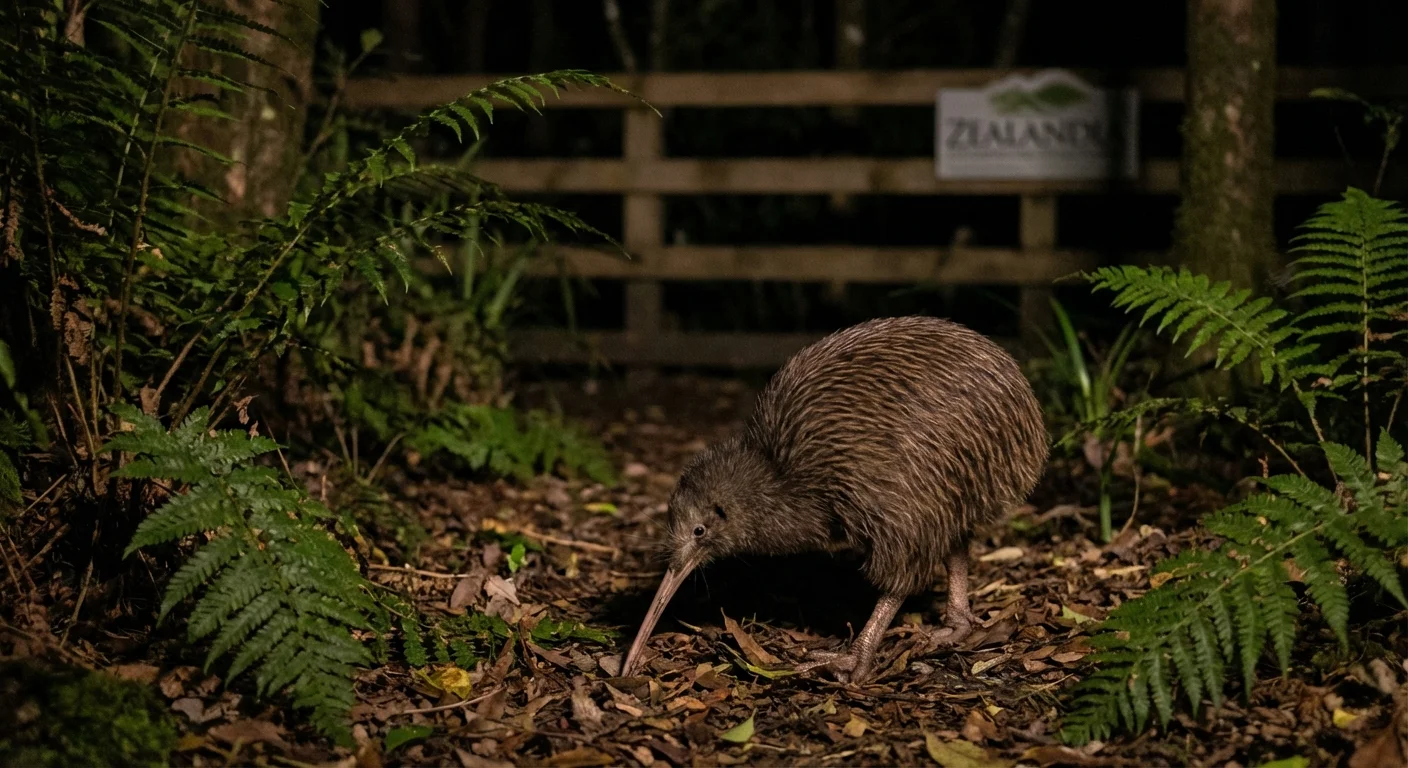
- Kiwi: The national symbol, this small, nocturnal flightless bird is endemic to New Zealand. Kiwis have a distinctive long beak and are best seen in places like Zealandia in Wellington or Rainbow Springs near Rotorua.
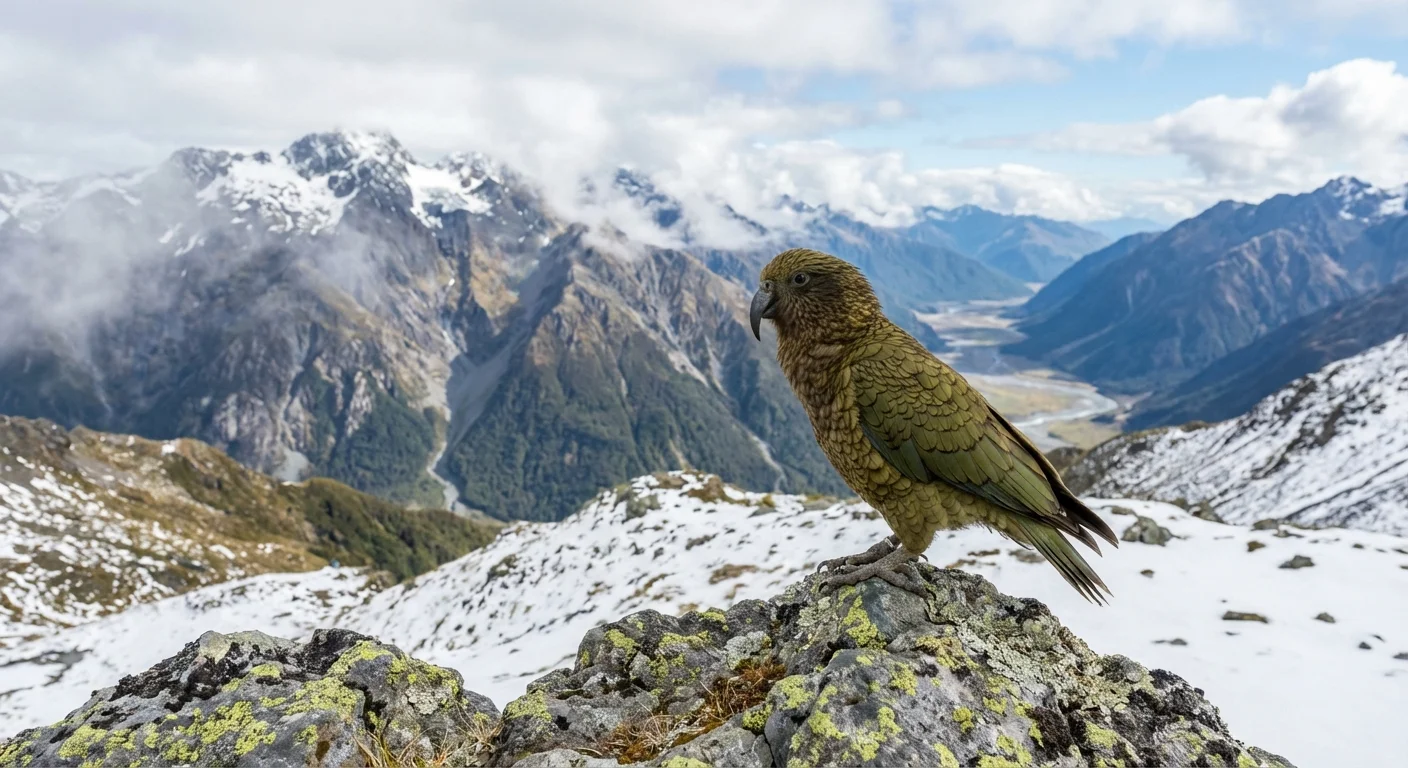
- Kea: Known as the world’s only alpine parrot, this intelligent and curious bird often inhabits the Southern Alps and areas such as Kea Point near Mount Cook.
- Kakapo: Also called the owl parrot, this nocturnal and critically endangered bird is one of the rarest in the world. Kakapo breeding and protection occur on predator-free islands like Codfish and Anchor Islands.
- New Zealand Wood Pigeon (Kereru): A large, colourful pigeon found in native forests across both islands, notable for its peaceful flight and distinctive calls.
- New Zealand Falcon (Kārearea): A powerful native bird of prey that soars over regions including the Kaingaroa pine forest and the Port Hills near Christchurch.
Where to Spot Cute New Zealand Animals
New Zealand offers many excellent places to see native wildlife safely while supporting conservation efforts.
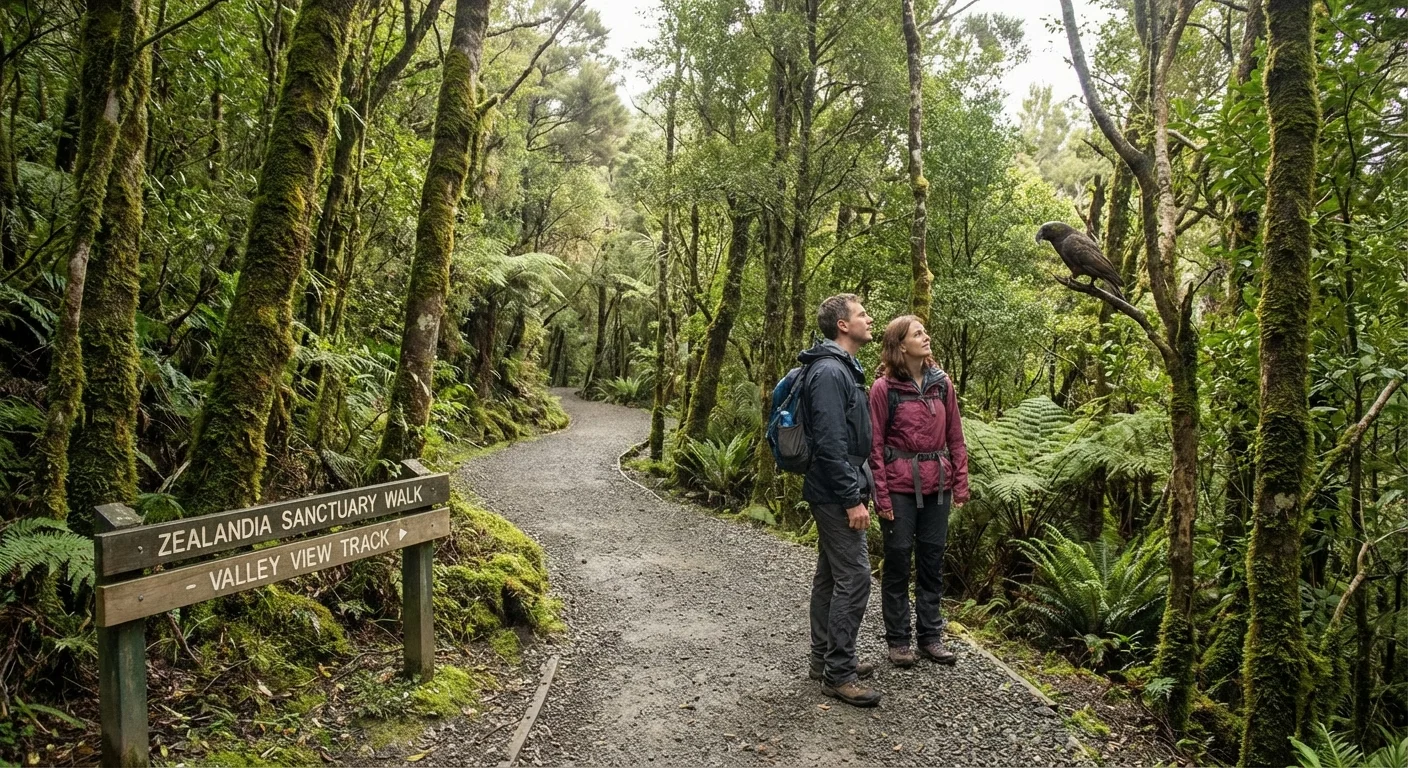
- Zealandia (Wellington): A fully fenced urban ecosanctuary where you can spot Kiwis, Tuatara, and native birds like Korimako (bellbird).
- Rainbow Springs (Rotorua): A wildlife park famous for kiwi conservation and showcasing native reptiles like Tuatara and invertebrates such as Weta.
- Murchison Mountains (Fiordland): The stronghold of the Kakapo, protected by the Department of Conservation with guided visits for conservation volunteers and researchers.
- Kapiti Island and Mana Islands: Predator-free sanctuaries ideal for birdwatching, including Kea, Kakapo, and other rare species.
- Okokonui Sanctuary (near Dunedin): Another great place to see native birds in natural bush settings.
For marine life enthusiasts, the West Coast and areas around the Chatham Islands are known for Hector’s and Maui dolphins, some of the smallest and rarest dolphins worldwide.
Unique Characteristics of New Zealand Animals
Many native New Zealand animals have evolved in the absence of mammalian predators, leading to fascinating adaptations.
- Flightlessness: Birds like the Kiwi and Kakapo have lost the ability to fly, relying on camouflage and nocturnal habits to avoid threats.
- Alpine Adaptations: The Kea thrives in high-altitude environments with remarkable intelligence and playful behaviour.
- Ancient Reptiles: The Tuatara is a prehistoric reptile often called a “living fossil,” surviving only in predator-free islands like the Barrier Islands.
- Marine Mammals: Hector’s and Maui dolphins are small, endemic species vulnerable to fishing and habitat changes.
Understanding these traits highlights the importance of conservation and how human activity can impact these delicate species.
Tips for Spotting and Protecting New Zealand Wildlife
When exploring New Zealand’s natural environments, it’s important to respect wildlife and their habitats. Here are practical tips:
- Keep a respectful distance: Use binoculars or zoom lenses to observe without disturbing animals.
- Stick to marked paths: Avoid trampling native plants or disturbing nests.
- Follow sanctuary rules: Many reserves require visitors to clean footwear and avoid bringing food to prevent pests.
- Avoid night disturbances: Nocturnal animals like Kiwi are sensitive to light and noise.
- Support conservation: Consider donations or volunteering with organisations such as the Department of Conservation.
Related reading
- Rental Cars Auckland | Affordable & Reliable Car Hire in Auckland NZ
- Rental Cars Christchurch | Reliable Car Hire in Canterbury NZ
- Rental Cars Wellington | Reliable Car Hire in New Zealand’s Capital
- SUVs 4WD Rental New Zealand | Reliable 4X4 SUV Hire
- Rental Cars Queenstown | Reliable Car Hire for Your NZ Adventure
FAQ
What is the best place to see Kiwi birds in New Zealand?
Zealandia in Wellington and Rainbow Springs near Rotorua are well-known sanctuaries where you can see Kiwi in protected environments. Visiting such places supports conservation efforts.
Are New Zealand native animals endangered?
Many native species like the Kakapo and Maui dolphin are critically endangered due to habitat loss and introduced predators. Conservation is vital to their survival.
Can I see native animals in the wild safely?
Yes, but always observe from a distance and follow local guidelines to avoid disturbing wildlife or their habitats.
Why are some New Zealand birds flightless?
New Zealand’s historic lack of mammalian predators allowed birds like Kiwi and Kakapo to evolve without the need for flight, relying instead on camouflage and nocturnal activity.
How can I support New Zealand wildlife conservation?
Support organisations such as the Department of Conservation, visit eco-sanctuaries, avoid introducing pests, and follow responsible tourism practices.
Explore New Zealand’s Wildlife with a Reliable Rental Car
Discover New Zealand’s unique animals and stunning landscapes at your own pace with a rental car from us. We are a local Kiwi-owned company based in Māngere, Auckland, providing affordable and reliable vehicles across New Zealand.
Whether you’re heading to Zealandia in Wellington, the Southern Alps, or the West Coast, our well-maintained cars and personal service will help you enjoy a memorable trip. We know how important a good car is for a great travel experience because we’re experienced travellers ourselves.
Book your rental car with us today and start your wildlife adventure across Aotearoa!









I absolutely adore New Zealand’s unique wildlife! The Kiwi is one of my favorite animals and I would love to see one in person. Supporting conservation efforts is so important – thanks for sharing this information!
I agree, the Kiwi is such a special animal! It’s great to hear that you support conservation efforts. Hopefully you’ll get the chance to see one in person someday!