
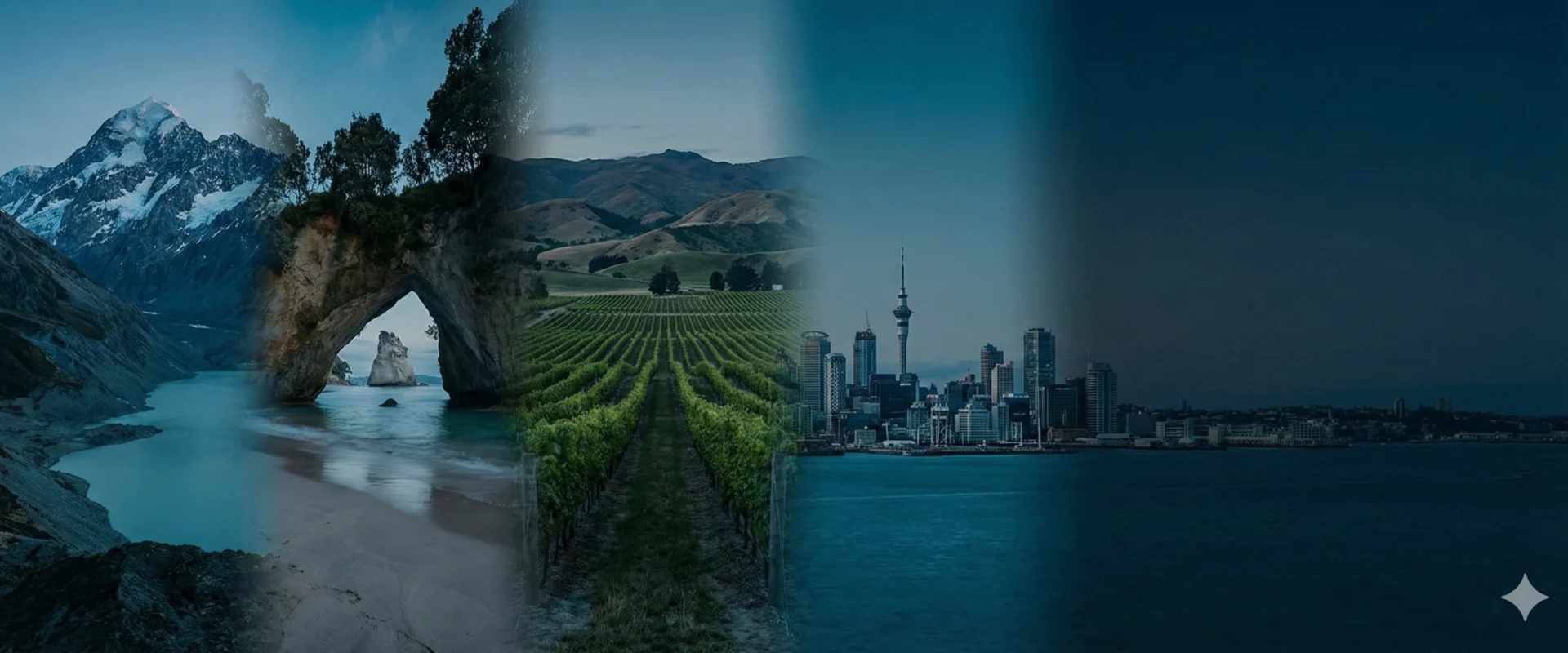

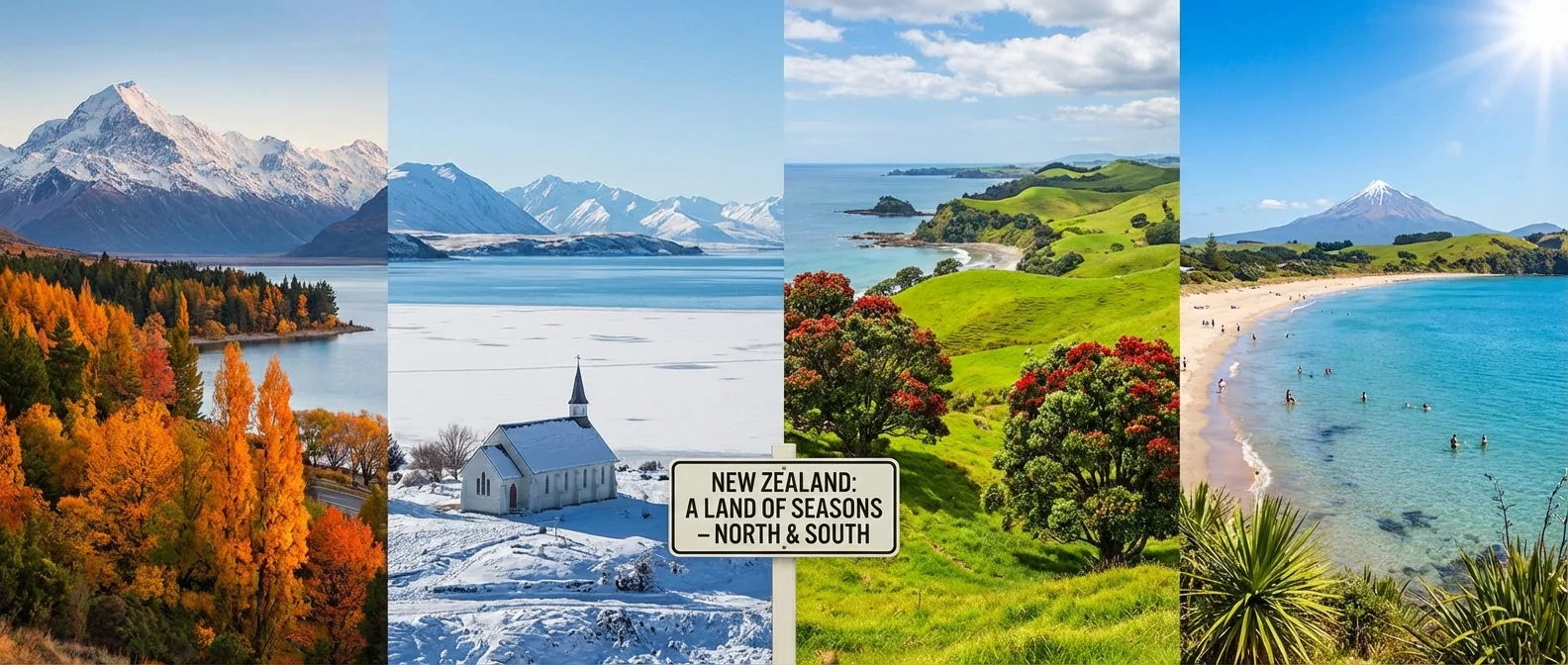
- New Zealand offers unique experiences in every season, from summer beaches to winter ski slopes.
- Summer (December–February) is ideal for outdoor adventures and popular destinations like Queenstown and Rotorua.
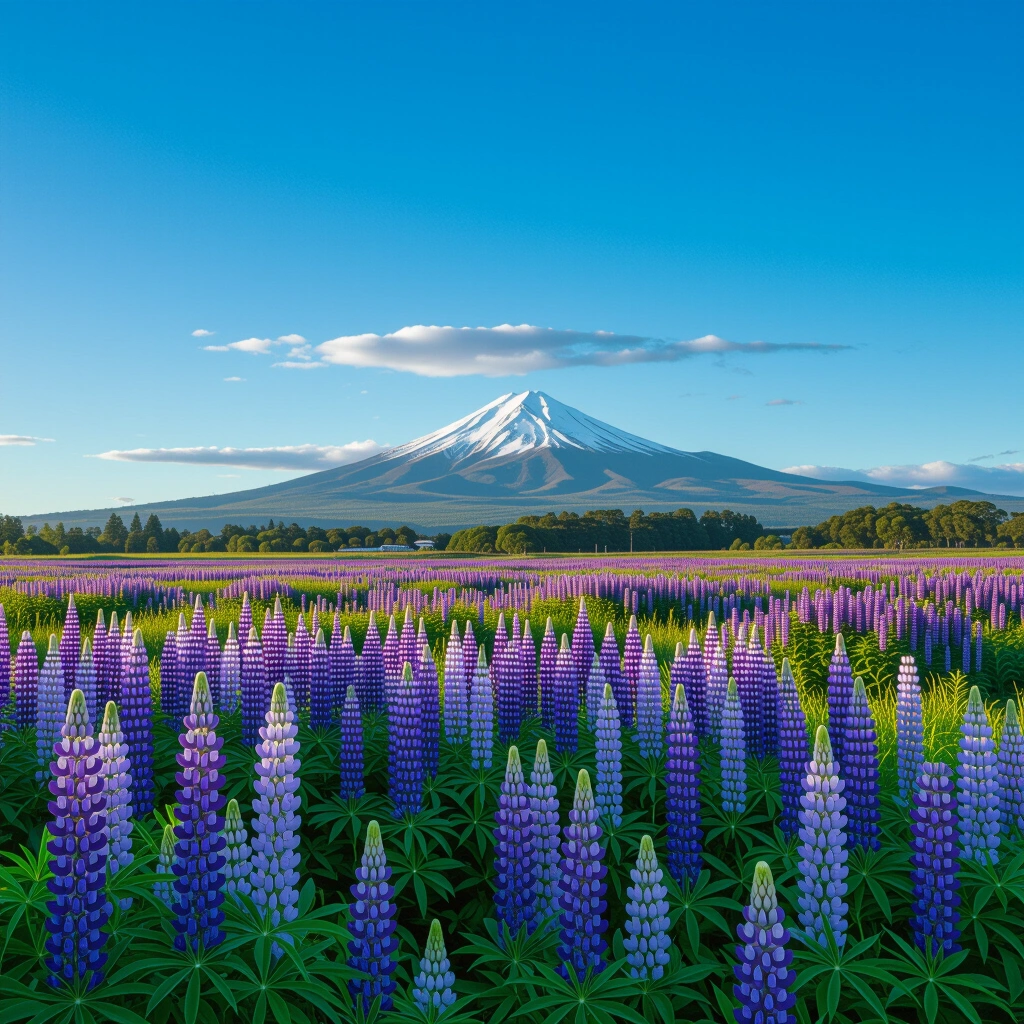
- Autumn and spring offer mild weather, fewer crowds, and spectacular natural sights such as lupins and gorse blooms.
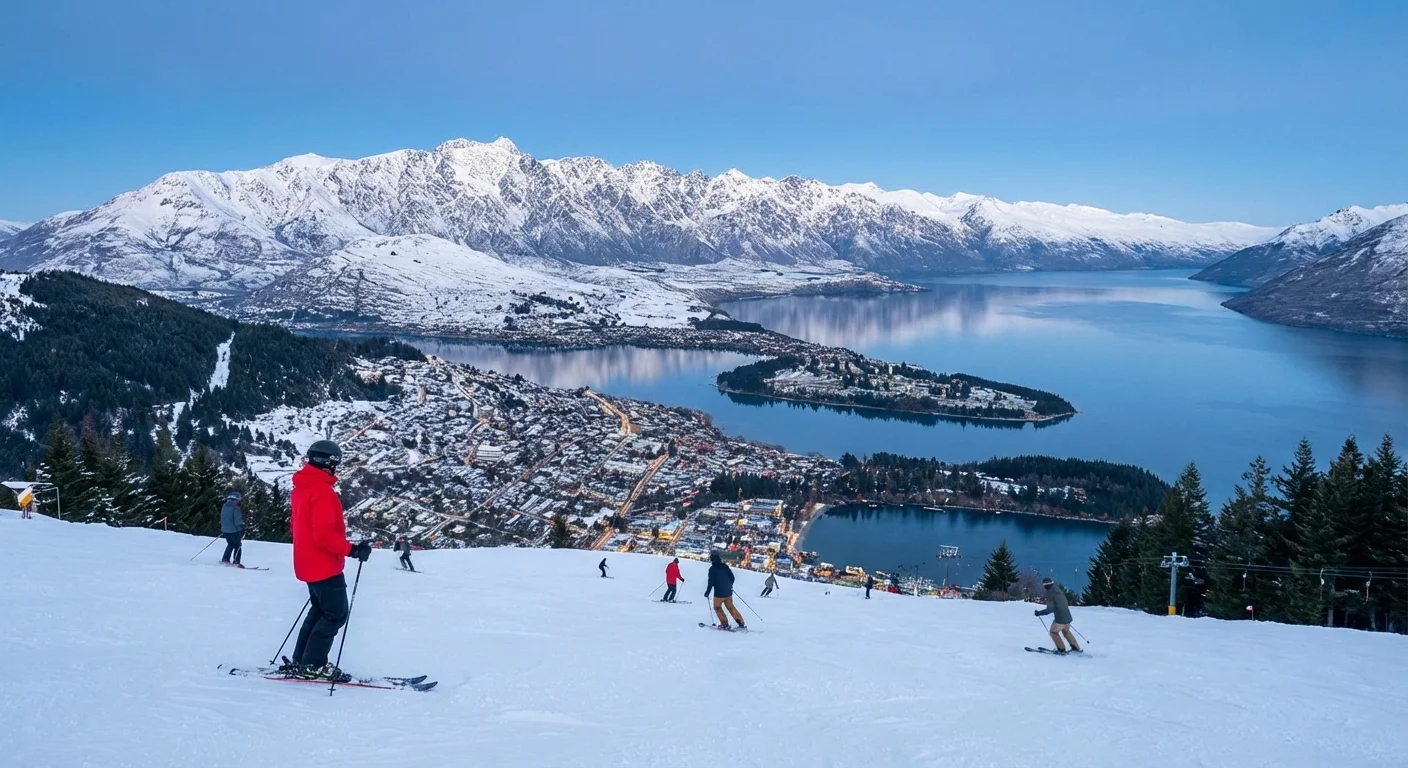
- Winter is perfect for skiing in the South Island’s resorts and enjoying cozy cultural events in cities like Wellington.
- Planning a New Zealand self drive vacation is easier with knowledge of seasonal highlights and road conditions.
Introduction to Visiting New Zealand by Season
New Zealand is a land of remarkable contrasts, with varied landscapes and climates across its North and South Islands. Choosing the best time to visit depends on what you want to experience, whether it’s hiking the Queen Charlotte Track, exploring the Marlborough Sounds, or witnessing Maori culture festivals.
We are a local Kiwi-owned rental car company based in Māngere, Auckland, and we know how important timing is for a great trip. This guide will help you understand the seasons, key events, and travel tips to make the most of your New Zealand holiday.
Summer in New Zealand: Outdoor Adventures and Festivals
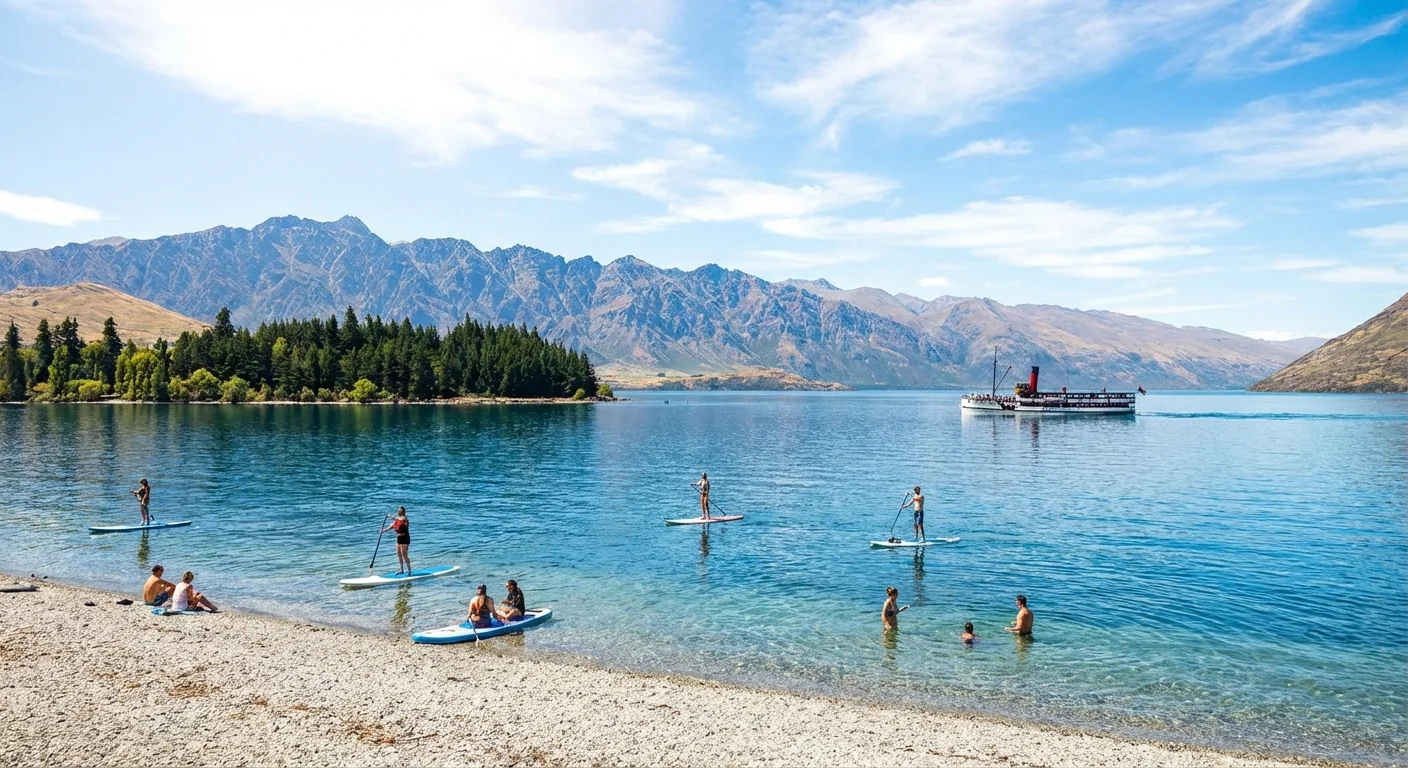
Summer in New Zealand runs from December to February. It’s the warmest and busiest season, perfect for beach lovers, hikers, and those wanting to explore iconic destinations like Auckland, Rotorua, and Queenstown.
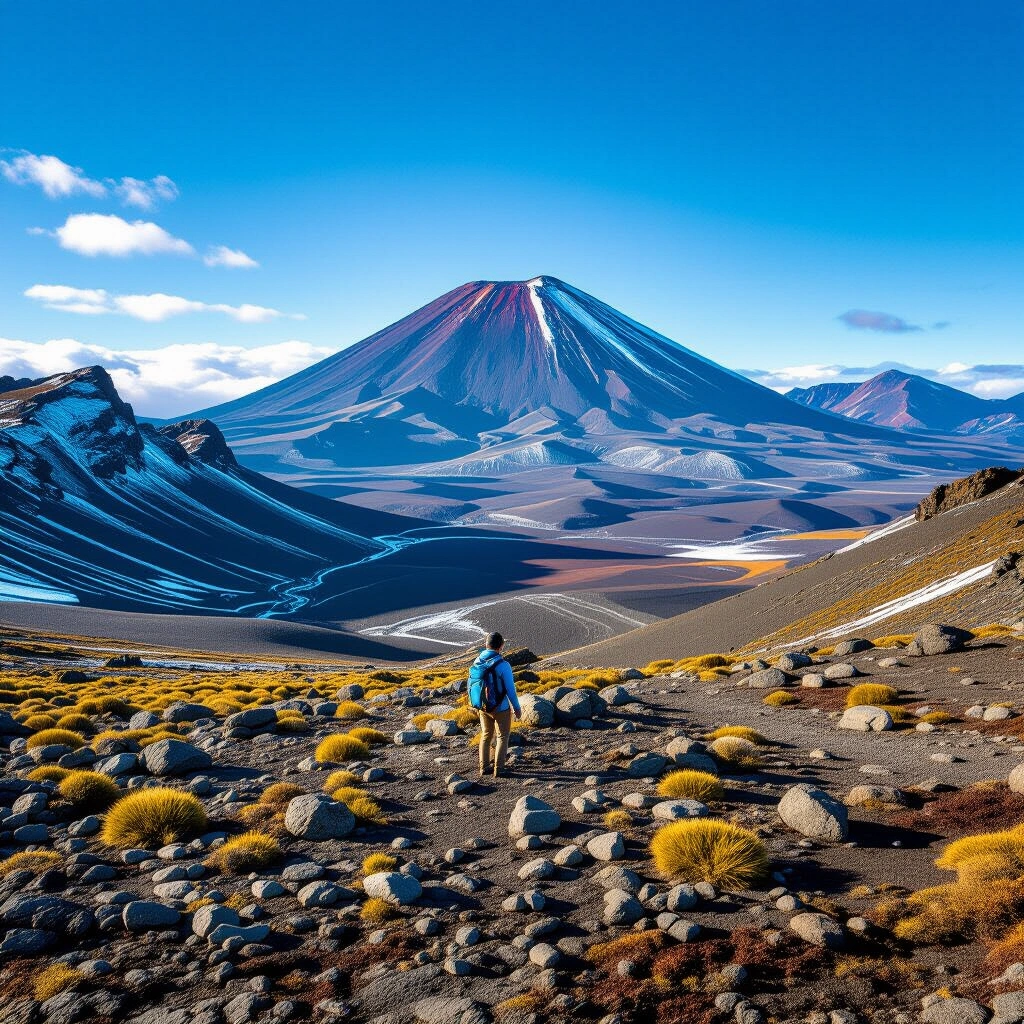
During summer, you can enjoy long daylight hours and plenty of sunshine, ideal for self drive vacations around the South Island’s Fiordland or the North Island’s volcanic landscapes.
- Visit Milford Sound and Marlborough Sounds for scenic cruises and kayaking.
- Experience the vibrant Wellington Fringe Festival and the Matariki celebrations linked to Maori culture.
- Attend outdoor events such as the Rugby Sevens tournament and the Marlborough Food and Wine Festival.
- Be aware that popular spots get busy, so booking accommodation and rental cars early is recommended.
Autumn and Spring: Mild Weather and Stunning Natural Displays
Autumn (March to May) and spring (September to November) are often considered the best times for those seeking milder weather and fewer crowds. These shoulder seasons showcase spectacular natural beauty across New Zealand.
In spring, the North Island’s Rotorua region blooms with vibrant lupins and gorse, while the South Island’s Marlborough and Kaikoura areas burst with floral colors and wildlife activity.
Autumn brings vivid foliage in places like Dunedin and Christchurch, perfect for scenic drives and New Zealand classic self drive tours.
- Enjoy comfortable hiking conditions on the Queen Charlotte Track walking vacation.
- Spot migrating whales off Kaikoura’s coast or explore the Subantarctic islands with specialized tours.
- Take advantage of lower accommodation prices and less traffic on roads, ideal for responsible travel.
Winter: Snowy Adventures and Cultural Experiences
Winter in New Zealand (June to August) is a fantastic time for snow sports enthusiasts. The South Island’s ski fields around Queenstown and Dunedin attract visitors looking for skiing and snowboarding.
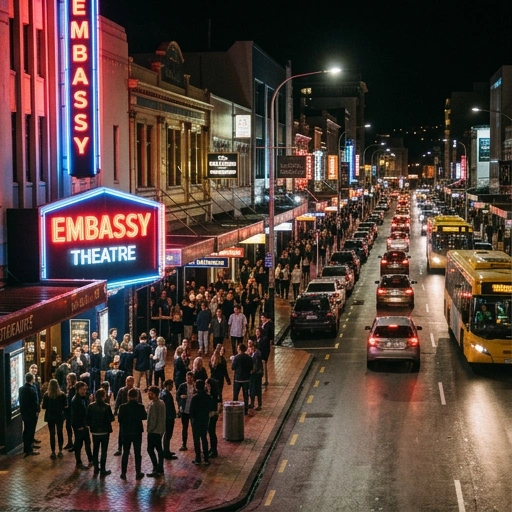
Winter also offers cozy cultural events in cities like Wellington, where you can enjoy art festivals and Maori cultural experiences without the summer crowds.
- Explore the Warbirds Over Wanaka International Airshow if visiting in April (early autumn) or winter events in Wellington.
- Prepare for shorter daylight hours and variable weather, especially in mountainous areas.
- Check road conditions carefully when planning a New Zealand self drive vacation in winter, especially in Fiordland and the South Island’s alpine regions.
Planning Your Trip: Tips and Seasonal Checklist
Knowing what to pack and how to prepare for New Zealand’s changing seasons is key to a smooth trip. Whether you’re joining a New Zealand north and south tour in comfort or taking a classic self drive tour, a little planning goes a long way.
- Choose your season: Decide based on activities you want — summer for beaches, winter for skiing, spring/autumn for hiking.
- Book early: Secure rental cars and accommodation well in advance, especially for summer and festival periods.
- Pack accordingly: Include layers, rain gear, sun protection, and sturdy footwear for hiking or winter sports.
- Check road and weather conditions: Particularly important in winter or for South Island travel.
- Plan your itinerary: Incorporate must-see places like Milford Sound, Marlborough Sounds, Rotorua, and Wellington.
- Explore cultural events: Align your visit with festivals such as Matariki or the Bluff Oyster Festival for a unique experience.
- Consider guided tours: For hiking vacations or classic New Zealand small group tours, experts like Audley offer responsible travel options.

Related Reading
- SUVs 4WD Rental New Zealand | Reliable 4X4 SUV Hire
- Rental Cars Queenstown | Reliable Car Hire for Your NZ Adventure
- Rental Cars Wellington | Reliable Car Hire in New Zealand’s Capital
- Rental Cars Christchurch Airport | Reliable Car Hire Canterbury NZ
- Rental Cars Auckland | Affordable & Reliable Car Hire in Auckland NZ
FAQ
When is the best time to visit New Zealand for hiking?
The best time for hiking is typically spring (September to November) and autumn (March to May) when the weather is mild and trails are less crowded. Always check local conditions before heading out.
Is summer the most expensive time to visit New Zealand?
Yes, summer is peak tourist season, so accommodation, rental cars, and flights tend to be more expensive. Booking early can help secure better rates.
Can I visit New Zealand in winter for outdoor activities?
Absolutely. Winter is ideal for skiing and snowboarding, especially around Queenstown and Dunedin. Just be prepared for colder weather and possible road closures in alpine areas.
Are there any cultural events worth planning around?
Yes, events like Matariki, Wellington Fringe Festival, and the Marlborough Food and Wine Festival offer unique cultural experiences. Timing your visit with these can enrich your trip.
How does the weather vary between the North and South Islands?
The North Island generally has a milder climate with warmer temperatures, while the South Island can be cooler, especially in winter, with alpine conditions in areas like Fiordland and Queenstown.
Is it safe to drive year-round in New Zealand?
Driving is generally safe year-round but requires caution in winter due to ice and snow on some South Island roads. Always check road conditions and weather forecasts before driving.
Book Your New Zealand Rental Car for the Perfect Seasonal Adventure
Planning your trip to New Zealand around the best time to visit is easier when you have a reliable rental car. We are a local Kiwi-owned rental car company based in Māngere, Auckland, providing reliable, affordable cars across New Zealand through trusted partners.
Whether you’re exploring Auckland’s urban charm, cruising the Marlborough Sounds, or embarking on a New Zealand self drive vacation around the South Island, our fleet offers vehicles suited for every season and itinerary.
We are experienced travellers ourselves — we know how important a good car is for a great trip. Book your rental car with us today for flexibility, local support, and realistic pricing tailored to your travel dates.




Comments