

- Hāngi is a traditional Māori cooking method using an earth oven, integral to New Zealand’s indigenous culture.
- This slow-cooked method uses heated stones buried underground to prepare kai like kumara, muttonbird, and vegetables.
- Hāngi is often enjoyed at Marae gatherings and special occasions, connecting people to their heritage.
- Modern chefs and food movements in Aotearoa honour and innovate on hāngi traditions, blending Polynesian roots with contemporary tastes.
- Visitors to New Zealand can experience authentic hāngi in places like Queenstown and Stewart Island, learning about Māori customs and kai.
Introduction to Hāngi Māori
Hāngi is more than just a cooking technique—it is a cornerstone of Māori culture in New Zealand (Aotearoa). This traditional earth oven method involves slow-cooking food underground using heated stones, resulting in tender, smoky kai that connects people to the land and their ancestors.
As a local Kiwi-owned company, we appreciate the deep significance of hāngi in Māori heritage and are excited to share insights about this unique culinary tradition. Whether you’re curious about the cooking process, the cultural context, or where to experience hāngi today, this guide offers a comprehensive look at this treasured custom.
What is Hāngi?
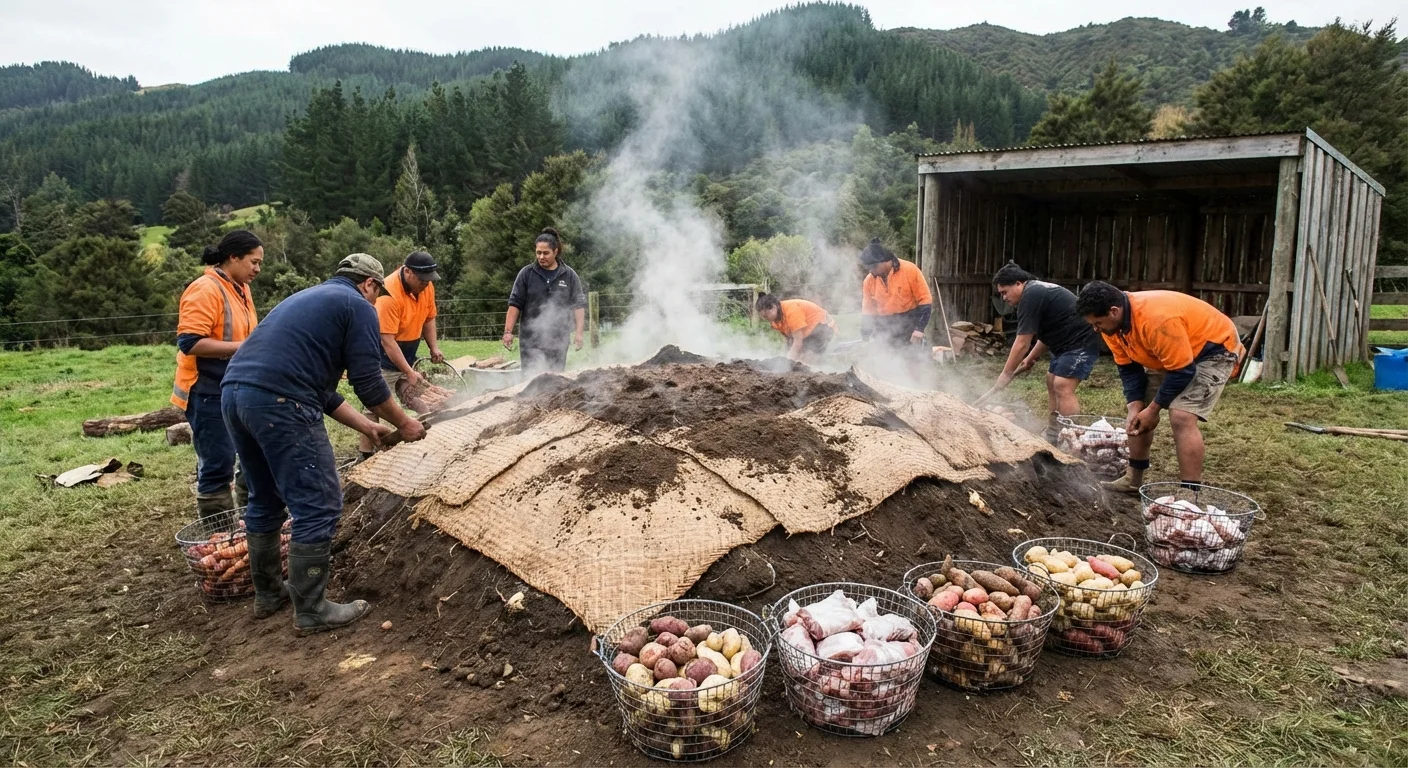
Hāngi is a traditional Māori cooking method where food is placed on hot volcanic stones inside a pit dug into the earth. The food is then covered with wet cloths, leaves such as banana leaves, and earth to trap the heat and steam.
This slow-cooking process can take several hours and produces kai with a distinctive smoky flavour. Common ingredients include kumara (sweet potato), muttonbird (tītī), pork, chicken, and various vegetables.
- Kumara: A staple root vegetable in Māori cuisine, often wrapped in leaves before cooking.
- Muttonbird (Tītī): Traditionally harvested from South Island and Stewart Island (Rakiura), prized for its rich flavour.
- Banana leaves: Used to wrap food, helping to retain moisture and infuse subtle aromas.
Cultural Significance of Hāngi in Māori Life
Hāngi is deeply embedded in Māori social and spiritual life. It is commonly prepared for gatherings at a Marae—Māori communal meeting grounds—where families and communities come together to share food and stories.
This method reflects Polynesian heritage and the ingenuity of using natural resources like earth and stones for cooking. The process is often overseen by a Tohunga Tūmau, or expert hāngi master, who ensures everything is done respectfully and properly.
- Marae: The hub for cultural events where hāngi is shared to strengthen community bonds.
- Tohunga Tūmau: Skilled practitioners who manage the hāngi process, passed down through generations.
- Connection to Kupe and Polynesia: The hāngi method carries the legacy of Polynesian ancestors who settled Aotearoa.
Modern Hāngi Experiences in New Zealand
Today, hāngi continues to be celebrated and has inspired chefs like Monique Fiso and Peter Gordon who incorporate traditional Māori ingredients and techniques into contemporary New Zealand cuisine, sometimes blending Asian influenced cuisines and local produce.
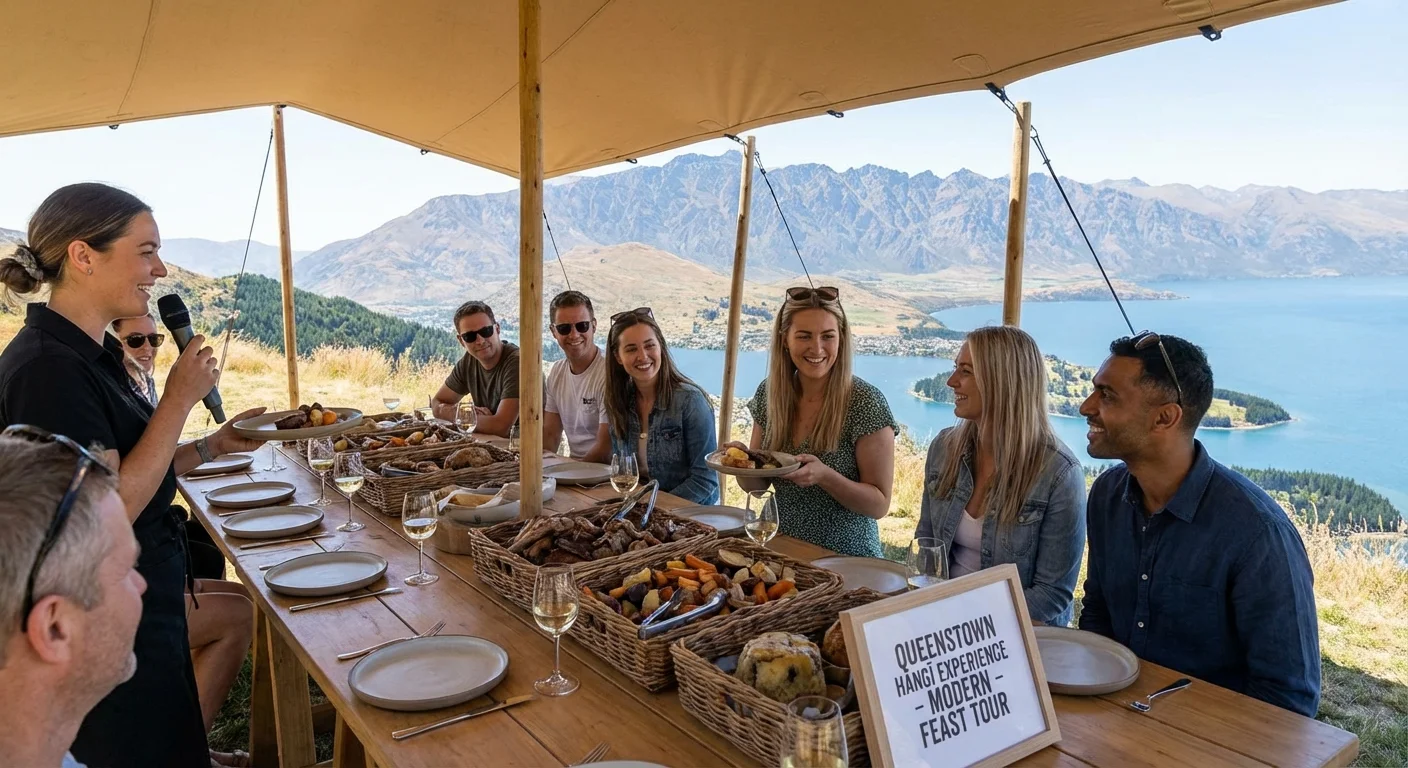
Visitors can experience authentic hāngi in regions like Queenstown, Otahuhu, and even Stewart Island (Rakiura), often as part of cultural tours or community events. Some commercial providers, such as Hāngi Master, offer catered experiences that respect the tradition while accommodating modern tastes.
Supermarkets like Pak’nSave and New World stock ingredients commonly used in hāngi, making it accessible for home cooks keen to try this traditional method.
How to Experience or Host a Hāngi
Whether you’re joining a Marae visit or planning your own hāngi event, understanding the process helps deepen appreciation and ensures a successful feast.
- Preparation: Gather ingredients like kumara, meats, and vegetables, plus banana leaves or wet cloths for wrapping.
- Dig the pit: Create an earth oven pit approximately 60-90cm deep, suited to the amount of food.
- Heat the stones: Use volcanic or river stones heated in a large fire until glowing hot.
- Layer the food: Wrap kai in leaves, place on hot stones in the pit carefully to avoid burns.
- Cover and seal: Wet cloths and earth cover the food to trap steam and heat.
- Cook time: Allow 3-4 hours for slow, even cooking.
- Uncover and serve: Remove earth and cloth, then carefully extract the tender, smoky kai to share.
Common Myths and Modern Adaptations
Some myths suggest hāngi is only for large groups or takes too long, but modern adaptations have made it more accessible. Smaller portable hāngi ovens and innovative techniques allow more flexibility while respecting tradition.
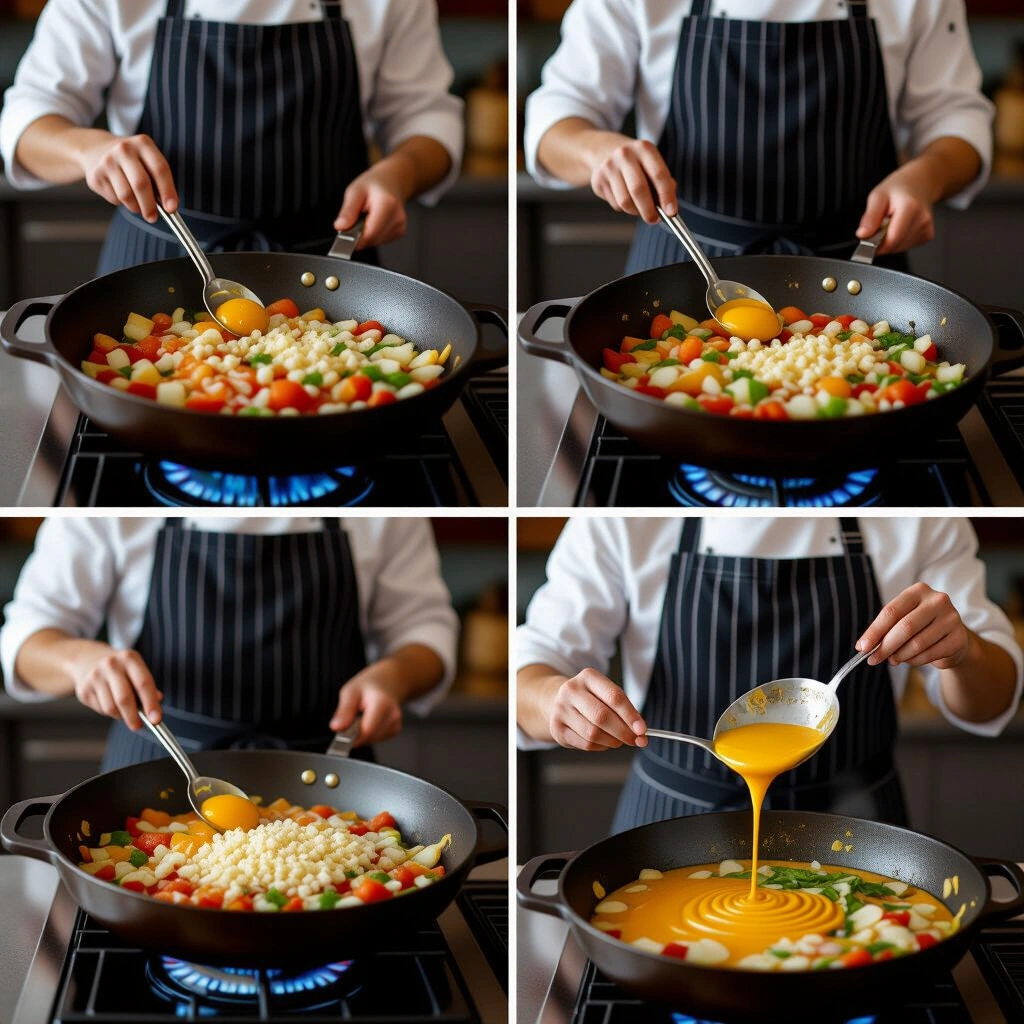
Contemporary chefs experiment with adding makrut lime leaves and Asian spices to hāngi kai, blending heritage with new flavours. This reflects New Zealand’s evolving food culture and the spirit of Hiakai—Māori cuisine innovation.
| Aspect | Traditional Hāngi | Modern Adaptations |
|---|---|---|
| Cooking Method | Earth oven with heated stones | Portable ovens, modified pits |
| Ingredients | Kumara, muttonbird, pork, vegetables | Includes Asian influenced spices, new vegetables |
| Event Size | Large communal gatherings | Small group and private events |
FAQ
What is the traditional cooking time for a hāngi?
Typically, a hāngi cooks for about 3 to 4 hours to ensure all ingredients are tender and infused with smoky flavour.
Can visitors to New Zealand experience an authentic hāngi?
Yes, many cultural tours and Marae visits around Aotearoa, including Queenstown and Stewart Island, offer authentic hāngi experiences.
What kinds of food are commonly cooked in a hāngi?
Common foods include kumara, muttonbird (tītī), pork, chicken, and seasonal vegetables wrapped in leaves or cloth.
Is hāngi cooking safe for beginners?
While traditional hāngi requires skill and care, beginners can learn with guidance from experienced Tohunga Tūmau or join organized events.
Where does the hāngi tradition come from?
Hāngi originates from Māori culture, with roots tracing back to Polynesian ancestors who settled in New Zealand.
Are there modern alternatives to traditional hāngi?
Yes, some use portable ovens and adapted cooking methods that honour the spirit of hāngi but offer more convenience.
Discover the Rich Tradition of Hāngi with Us
We are passionate about sharing the rich Māori tradition of hāngi and kai with locals and visitors alike. As a small Kiwi-owned company, we celebrate the cultural heritage behind this unique cooking method and invite you to experience authentic hāngi when you travel around New Zealand.
Whether you want to join a communal feast at a Marae or learn how to prepare your own hāngi, we can help connect you with trusted local providers. Book your cultural experience today and savour the flavours of Aotearoa’s homeland.
We know how important it is to enjoy genuine, heartfelt moments on your journey. Let us guide you to authentic Māori kai and unforgettable memories.










Wow, I had the chance to try hāngi Māori when I visited New Zealand last year. It was such a memorable cultural experience, and the food was delicious! Highly recommend trying it if you ever get the chance.
That sounds like an incredible experience! I’ve always been curious about hāngi Māori and the traditional cooking methods. I’ll definitely have to put it on my bucket list for when I visit New Zealand. Thanks for sharing your recommendation!
Absolutely, hāngi Māori is a must-try when you’re in New Zealand! The cultural experience and the delicious food are truly unforgettable. You won’t be disappointed!
I’ve heard so much about hāngi Māori too! Have you tried making it yourself or just enjoyed it at restaurants?
That sounds amazing! I’ve heard a lot about hāngi Māori, but I’ve never had the opportunity to try it myself. What was your favorite dish from the hāngi?
Hey there! I’m glad you enjoyed your hāngi Māori experience in New Zealand. It’s always fascinating to explore different cultures through their traditional cuisines. I’m curious as well – what was your favorite dish from the hāngi? Was there a particular flavor or ingredient that stood out to you? I’d love to hear more about your culinary adventure!
I’m curious about the flavors in hāngi Māori. What do you think makes it stand out from other traditional dishes?
Wow, I had no idea about hāngi Māori before reading this post. It sounds like such an interesting cultural tradition. I would love to experience it firsthand if I ever have the chance to visit New Zealand. Thanks for sharing this information!
I’m so glad you found the post informative! The hāngi Māori tradition really is fascinating, and it’s a great way to learn more about the rich culture of New Zealand. If you ever get the opportunity to visit, trying hāngi firsthand would definitely be a memorable experience. It’s wonderful to see how different cultures around the world have unique culinary traditions that are so deeply rooted in history and community. Thanks for taking the time to read and engage with the topic!
I agree, it’s amazing how food can connect us to different cultures and traditions. I hope you get to experience hāngi Māori in New Zealand one day!
Thank you for your comment! I couldn’t agree more – food has such a powerful way of bringing people together and sharing traditions. I’ve always been fascinated by hāngi Māori and the cultural significance behind it. It’s definitely on my bucket list to experience it in New Zealand someday. Have you had the chance to try hāngi Māori yourself? I’d love to hear about your experience if you have!
Thanks for sharing this insight into the hāngi Māori tradition! It’s amazing how food can bring people together and tell stories of culture and history. If I ever find myself in New Zealand, I’ll be sure to seek out a hāngi experience. Cheers to exploring the diverse culinary traditions of the world!
I totally agree! Food has a way of connecting people and sharing stories. I hope you get to experience a hāngi in New Zealand someday – it’s definitely a unique cultural experience!
Thanks for sharing your thoughts! I’ve never heard of hāngi before, but it sounds intriguing. Connecting over food is indeed a powerful way to learn about different cultures. If I ever find myself in New Zealand, I’ll definitely keep an eye out for a hāngi experience. Have you personally tried it before? I’d love to hear more about your firsthand experience!
Got it!
Great to hear that you’ve got it! Let me know if you have any questions or need more information about experiencing a traditional Hāngi Māori in New Zealand. It’s a truly unique cultural and culinary experience that you won’t want to miss out on. Enjoy your travels!
Thanks for the recommendation! I’ve always been curious about Hāngi Māori and I’m excited to give it a try during my trip to New Zealand. Do you have any specific tips for making the most of the experience?