

- Learn effective ways to quickly defog your windscreen and improve visibility.
- Understand the role of air conditioning, ventilation, and temperature control in reducing condensation.
- Discover practical tips including use of anti-fog products and maintaining your vehicle’s cabin air system.
- Find out how local conditions in Auckland, Christchurch, and Canterbury affect windscreen fogging.
- Follow a step-by-step checklist for safe and efficient windscreen demisting before and during driving.
Introduction to Windscreen Fogging
Windscreen fogging is a common issue faced by drivers across New Zealand, especially in cooler or humid climates like Auckland and Christchurch. Moisture and temperature differences cause condensation on the inside of your windscreen, creating fog droplets that reduce visibility and driving safety.
We are a local Kiwi-owned rental car company based in Māngere, Auckland. We understand how important clear visibility is for a safe trip, and we want to share practical advice on how to defog your windscreen effectively. This guide covers causes, quick fixes, and long-term solutions tailored to New Zealand conditions.
Why Windscreens Fog Up
Fogging happens when warm, moist air inside the vehicle meets the cooler glass surface of the windscreen. This causes water vapour in the air to condense into tiny fog droplets.
- Humidity and moisture: Sources include wet clothes, breathing inside the car, or damp interiors.
- Temperature differences: Cool windscreens in colder weather attract condensation from warmer cabin air.
- Poor ventilation: A blocked or dirty cabin air filter or using the recirculate function can trap moisture inside the car.
Understanding these causes helps you manage and prevent fogging effectively. For example, in Canterbury’s cooler climate, fogging is more frequent in the mornings.
Quick Ways to Defog Your Windscreen
When you notice your windscreen fogging up, act fast to clear it safely. Here are some practical tips:
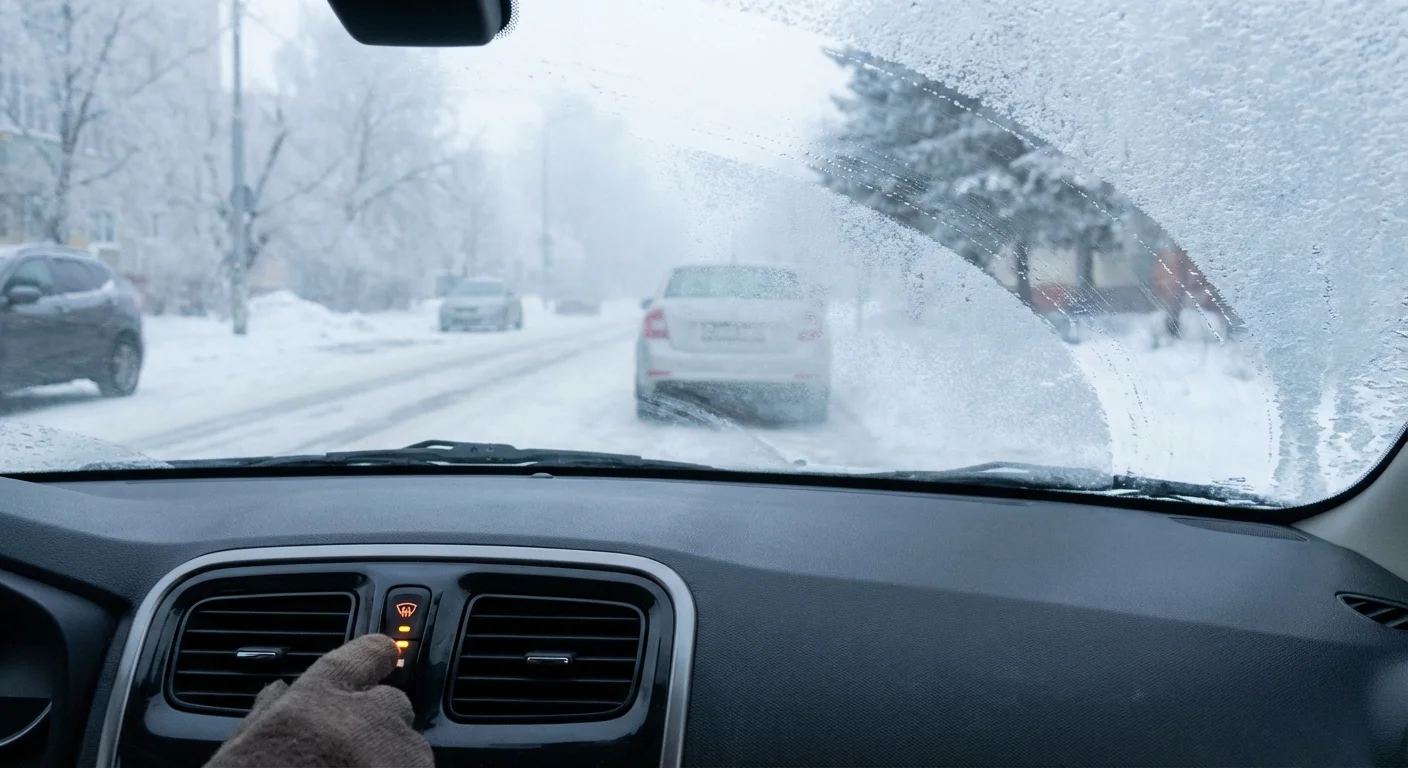
- Turn on the defrost vent: Direct warm air onto the windscreen to evaporate moisture quickly.
- Use air conditioning: Even in cool weather, the AC removes humidity from the cabin air.
- Switch off recirculate: Bring in fresh, drier outside air to reduce moisture build-up.
- Open windows slightly: Helps balance interior and exterior air temperatures and humidity.
- Use a microfiber cloth: Wipe excess condensation manually if needed, but avoid smearing.
Long-Term Solutions to Prevent Fogging
Regular maintenance and some smart habits can drastically reduce windscreen fogging over time.
- Check and replace cabin air filters: Clean filters improve airflow and reduce moisture accumulation.
- Use anti-fog products: Brands like Rain-X Anti-Fog create a protective layer that resists condensation.
- Consider vehicle tinting: Quality tint films such as LLumar can regulate temperature and reduce condensation.
- Keep your windscreen clean: Use a glass cleaner regularly to remove residues that attract moisture.
- Fix windscreen leaks and cracks: Prompt windscreen repair by specialists like Fast Autoglass or Instant Windscreens prevents water ingress.
Step-by-Step Checklist for Defogging Your Windscreen
- Turn on the defrost vent: Activate your car’s defrost setting to blow warm air onto the windscreen.
- Switch off recirculate: Allow fresh air circulation to reduce humidity inside the cabin.
- Activate air conditioning: Use the AC to dry out the air, even if heating is also needed.
- Open a window slightly: If fogging persists, crack open a window for better airflow.
- Wipe with microfiber cloth: Carefully remove remaining moisture without scratching the glass.
- Apply anti-fog treatment: Keep a bottle of Rain-X Anti-Fog or similar product handy for preventive application.
- Schedule regular maintenance: Replace cabin air filters and check for leaks or damage to your windscreen.
Local Considerations for New Zealand Drivers
New Zealand’s diverse climates affect windscreen fogging differently. For example, Auckland’s humid weather increases moisture inside vehicles, while Canterbury and Christchurch experience colder temperatures that often cause quick condensation.
Driving in these conditions means you should be familiar with your vehicle’s air conditioning and defogging systems. Local repair and service providers such as Kelvin Armstrong Auto Repairs in Manukau and Fast Autoglass across Auckland can help with maintenance and windscreen repair needs.
Remember, New Zealand road rules require clear visibility at all times. Taking proactive steps to keep your windscreen clear ensures a safer drive for you and others.
FAQ
Why does my car windscreen fog up so quickly?
Windscreens fog up when warm, moist air inside the car meets the cooler glass surface, causing condensation. Factors like high humidity, wet clothes, and using the recirculate function on air conditioning increase this effect.
Can I use air conditioning to defog my windscreen in winter?
Yes, using air conditioning helps remove moisture from the cabin air even in cold weather, making it an effective way to clear fog from your windscreen.
Are anti-fog products safe for all types of windscreens?
Most anti-fog products like Rain-X Anti-Fog are safe for standard glass windscreens. Always follow the manufacturer’s instructions and test on a small area first.
Does vehicle tinting help reduce windscreen fogging?
High-quality window tinting can help regulate cabin temperature and reduce condensation, but it’s not a standalone solution. Proper ventilation and defogging practices remain essential.
How often should I replace my cabin air filter to prevent fogging?
It is recommended to check and replace your cabin air filter every 12,000 to 15,000 kilometres or at least once a year, depending on driving conditions.
What should I do if my windscreen has cracks affecting visibility?
Get your windscreen repaired promptly by reputable providers like Fast Autoglass or Instant Windscreens to maintain safety and reduce fogging issues.
Get Clear Visibility with Our Expert Advice
We are a local Kiwi-owned rental car company based in Māngere, Auckland, and we know how important a clear windscreen is for safe driving. Whether you’re renting a car or maintaining your own vehicle, following these defogging tips helps you stay safe on New Zealand roads.
We provide reliable, affordable cars across New Zealand through trusted partners and are experienced travellers ourselves. Book your rental car with us today and enjoy worry-free driving with excellent visibility.
Check availability now and compare options to find the perfect vehicle for your trip, equipped with effective defogging systems.








Interesting tips! I’ve always struggled with foggy windscreens during those early morning drives. Are these methods really effective, especially in the colder months here in Japan? I’m curious to see if they work as well as you say!
Thank you for sharing your experience! I’ve found these methods to be quite effective, even during the colder months here in Saudi Arabia. Give them a try and see if they work for you – I think you’ll be pleasantly surprised!
I’m glad to hear these methods work for you in Saudi Arabia! I’ll definitely give them a try here in China and see if they work as well for me. Thanks for the tip!
Got it.
Got it! Give them a try!
Great to hear you’re willing to give the methods a go! Let me know how they work out for you, especially with those chilly mornings in Japan. I’ve found them pretty effective here in Australia, so hopefully they do the trick for you too!
Hey Haruto! That’s great to hear that you’re willing to give these methods a shot. Let me know how it goes for you, especially with the colder weather we’re starting to get here in Japan. Looking forward to hearing about your results!
This is really helpful information, thank you! I’ve always struggled with foggy windscreens, especially during those early morning drives. Can’t wait to try out these tips and hopefully make my morning commute a bit smoother. Any additional advice for keeping my windscreen clear during winter months?
Thanks!
Glad you found the information helpful! In winter, try using a mixture of vinegar and water to prevent fogging on your windscreen. Hope that helps!